


Form and Function in Design: Why Balance Matters
The phrase “form follows function” is often treated as a rule.
Strip everything back.
Remove anything unnecessary.
Let function lead.
It is good advice. But it is incomplete.
Because function alone is not enough.
Function is the starting point
At sea, function is not optional.
Things must work.
They must be reliable.
They must perform under pressure.
If they don’t, there are consequences.
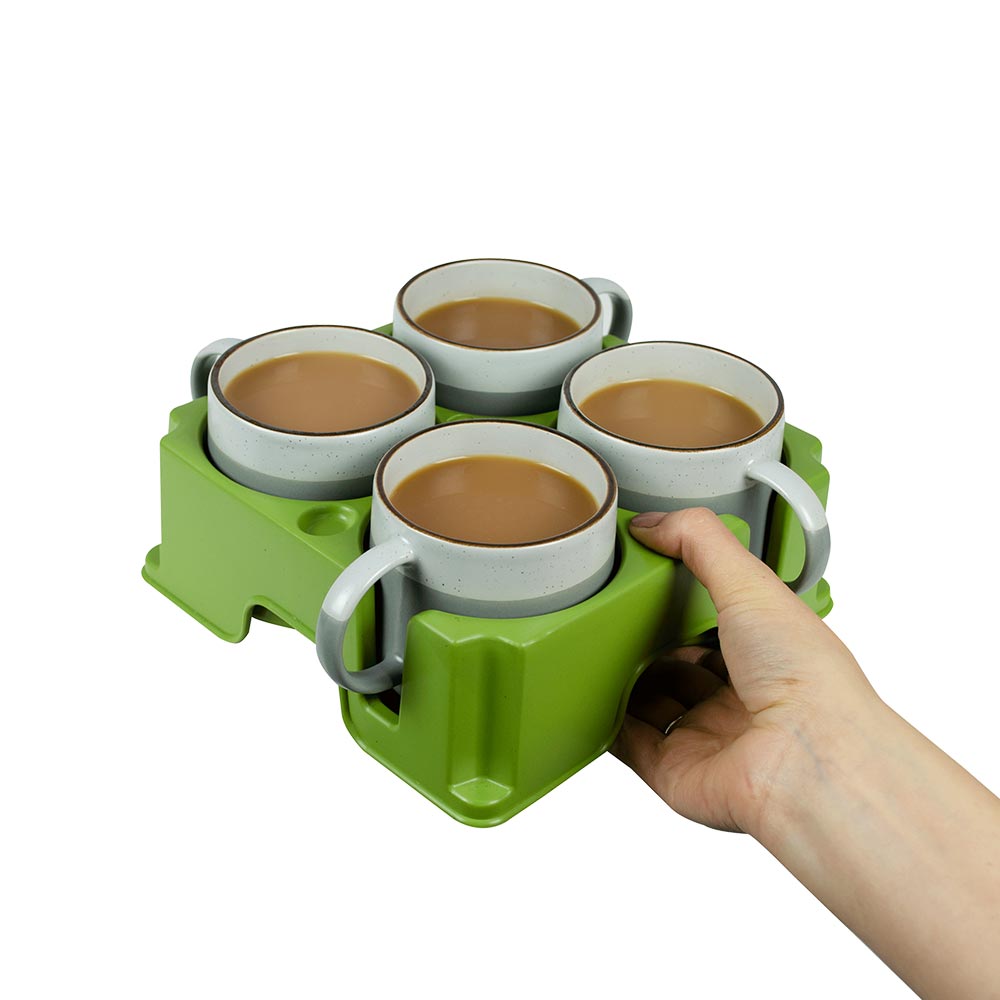
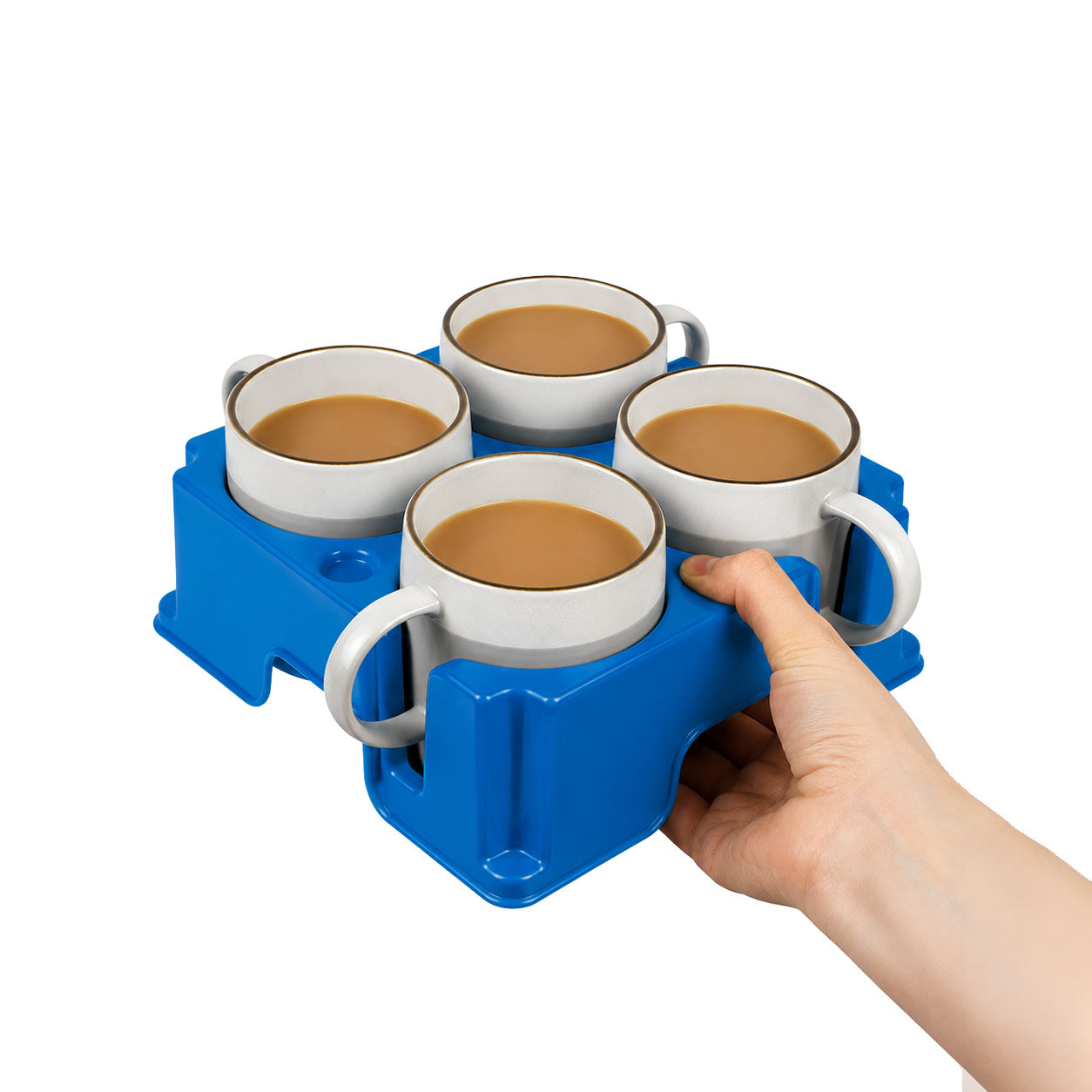
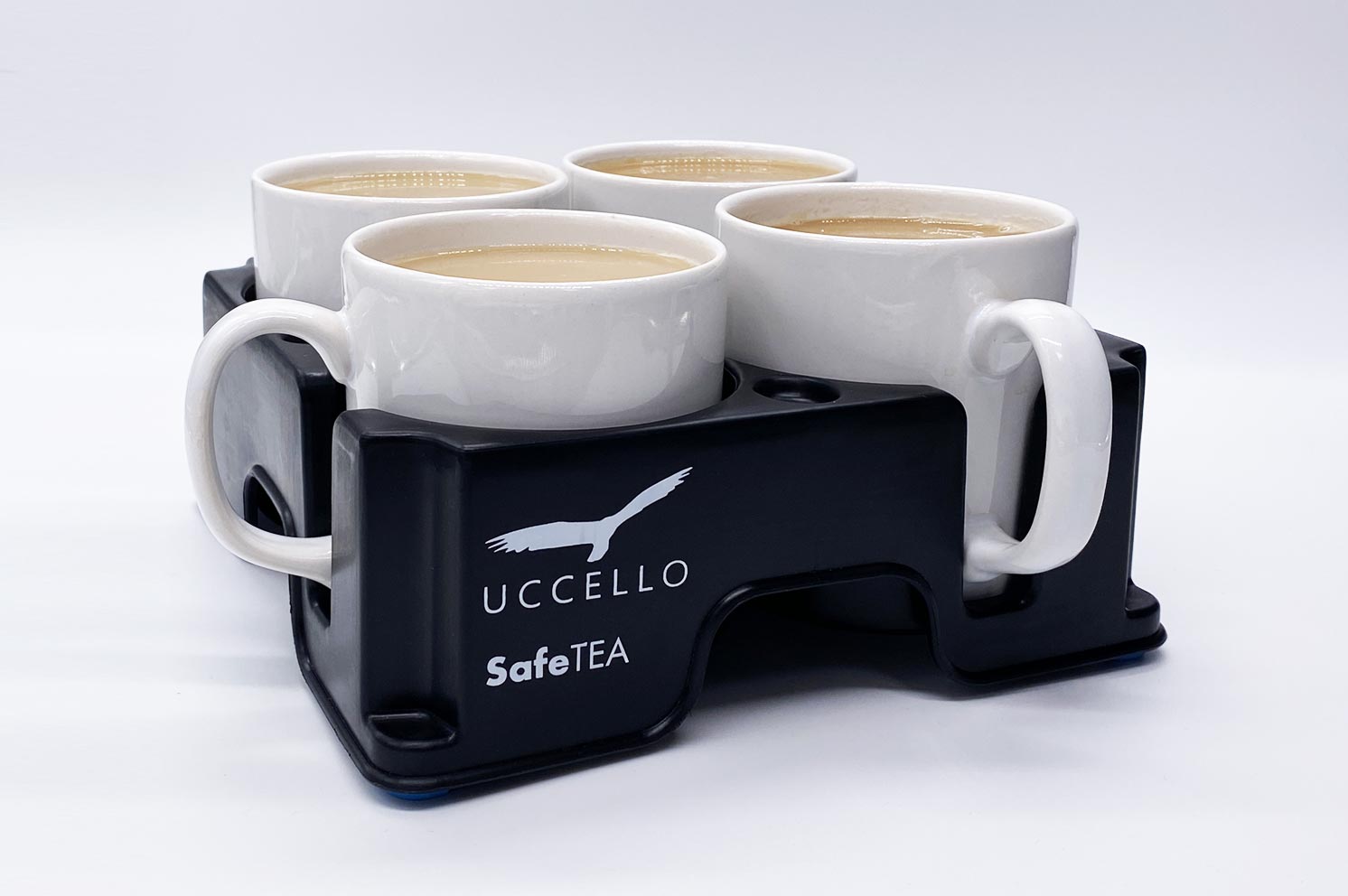
That way of thinking shaped muggi from the beginning.
The problem was simple.
Mugs tip. Drinks spill. Waste follows.
The solution had to work first. No compromise.
Form is how function earns trust
Once something works, another question appears.
Will people want to use it?
Good form is not decoration.
It is communication.
It tells you how something should be used.
It signals quality.
It builds confidence before performance is even tested.
When form is careless, trust is lost.
When form is considered, function is welcomed.
Design that lasts avoids extremes
Design often swings between two extremes.
Over-engineered objects that impress but intimidate.
Under-designed objects that work but feel disposable.
Longevity lives in the middle.
Objects that feel considered without feeling precious.
Objects that invite daily use, not careful handling.
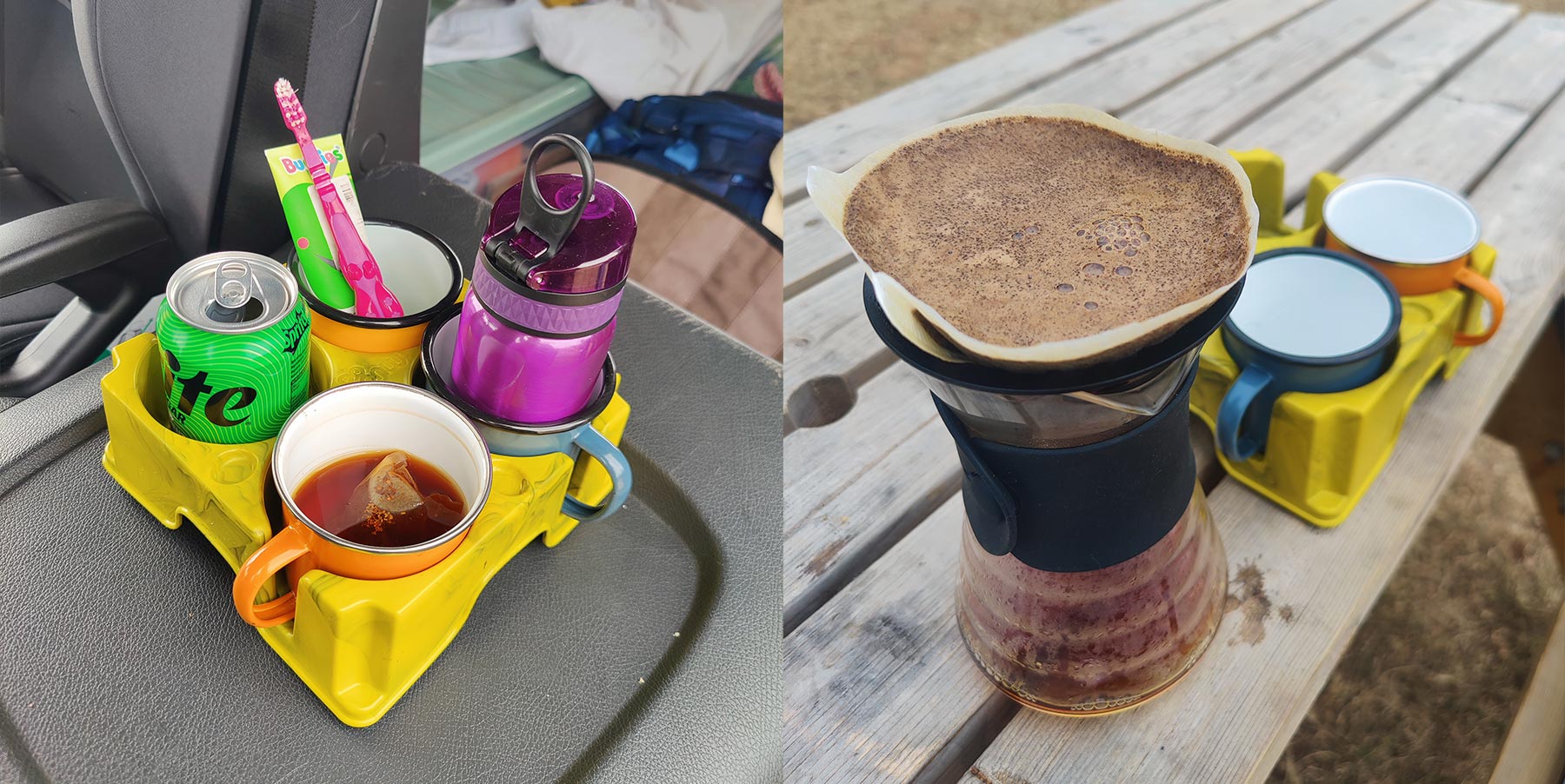
muggi was designed to sit comfortably in everyday life.
Useful enough to rely on.
Simple enough to forget about.
Sustainability lives at the intersection
Sustainability is often framed as a materials question.
What something is made from.
Where it was sourced.
How it was packaged.
Those things matter.
But long-term sustainability is also about behaviour.
If an object works but looks wrong, it gets ignored.
If it looks good but fails, it gets replaced.
Form and function need each other.
That balance is what keeps products in use, not in cupboards.
Design succeeds when it disappears
The best designs do not ask for attention.
They remove friction.
They quietly improve everyday moments.
They become part of the background.
That is the goal.
Not to be noticed.
But to be useful, again and again.